
Independent editorial guidance on compatibility, device settings, safety, and responsible use.
Preparing a contact or support question
Independent editorial guidance on compatibility, device settings, safety, and responsible use.
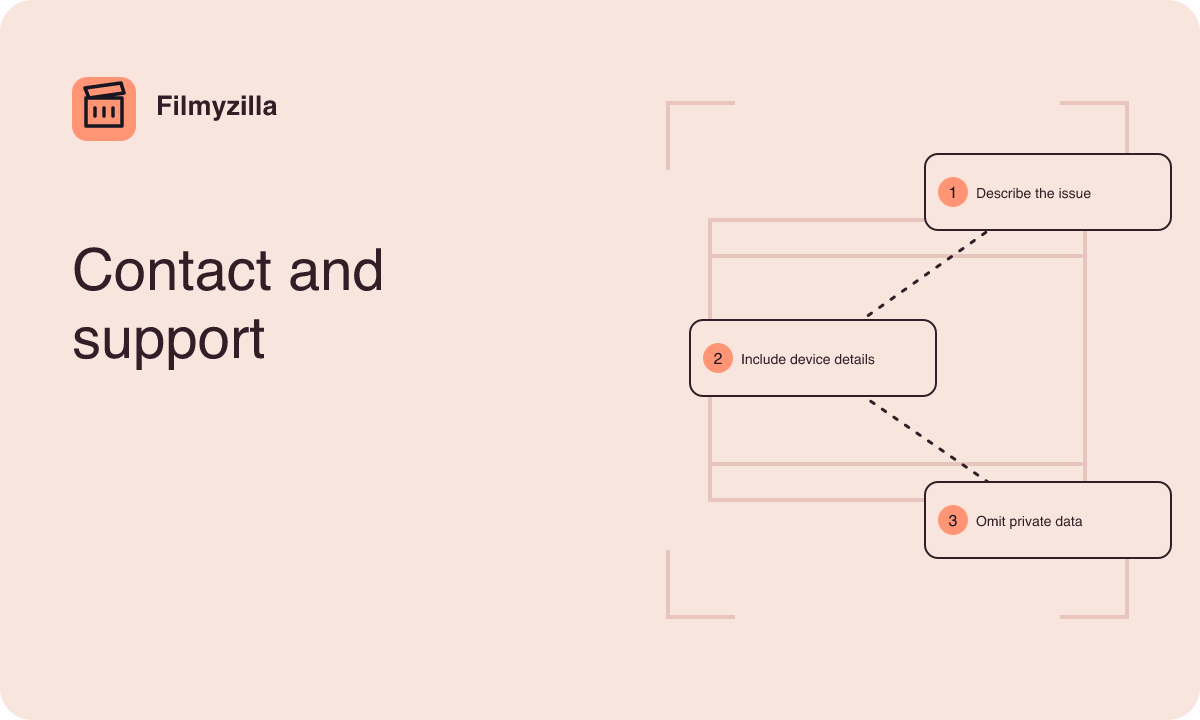
If you searched for “Fale Conosco e Suporte Técnico”, start by writing down the problem you want help with and working out who can answer it. A question about a setting on your phone belongs with a different party from a question about the wording of an article. This page helps you prepare a useful note and choose a route you can independently verify. You can make the note privately and leave out information that has no bearing on the issue.
Decide who controls the feature involved
For a question about your television input, remote or system menu, look for the device maker's established support information. For a particular title in an authorised viewing service, check the provider's published help or the support option in its verified app. If an app store shows a device compatibility message, the publisher's support information and the details displayed by the store may help explain it. The same film title can appear in several places, so specify the provider involved.
An editorial question starts with the article itself. Note its heading and the passage you think needs an explanation or correction. If an article describes a device you own and the instructions differ, identify the place where the explanation stops matching your screen. For a privacy or copyright concern, identify the page and check the relevant policy or notice information for a verified route. Choose a route that fits the question before deciding whether to share any details.
Gather observations you can check
On your own device, open the system information page if the model or software version matters. For an app issue, check the installed version as displayed and identify the verified store or distribution source if you know it. You can report an unknown version as unknown. Include the approximate time of the issue and your time zone when timing could matter. Leave out serial numbers and other information that identifies your particular device or household.
Write down the error message as you saw it, leaving out any private information it may contain. Describe whether you can repeat it and what you were doing when it appeared. Check if other features still work. A remote that moves around the home screen while failing in one player presents a different problem from a remote that has stopped responding everywhere. Mention any simple comparison you already made. Give the result you observed and leave the cause open.
Write a short note that can stand on its own
- Start with one sentence describing the outcome you wanted. For example, say that you wanted to select English subtitles during television playback.
- Identify the affected provider, app or article and include the relevant device details. If you have several screens, say which one showed the problem.
- Describe how to reach the issue in ordinary use. Mention the control you chose, what you expected to see and what appeared instead.
- Include one or two useful comparisons you have already tried, such as a second authorised title playing with captions on the same television.
- End with a specific question. Ask where to find the feature on your model or which compatibility information you should consult.
Read the note once as though you have never seen the device. Replace vague phrases such as “it will not work” with the behaviour that occurred. If a problem has several parts, put the immediate question first and explain the rest only if it could change the answer. Keep a private copy so you can refer to the same details if you need to continue through an established support route.
Check the note for private material
A plain text description can be enough to show the problem. If a screenshot would make a menu issue clearer, crop it to the relevant controls. Read the resulting image carefully. Notification previews, profile names, network names and family photographs can appear at the edges of an otherwise ordinary settings screen. Avoid sending full screen recordings when you can describe the steps or show a single cropped menu.
A streaming or installation issue can usually be described without including personal documents, payment information or private messages. Keep the example about the device behaviour. If an outside service proposes a different route during a conversation, verify the route against information you already trust about that service. An unexpected reply bearing the right logo does not establish its origin. Consider whether the recipient needs the detail before you include it.
Adapt the question to what went wrong
For an installation concern, say whether the store shows the app for your model, whether installation ever began and the point where the process stopped. You might write that you could open the verified listing but saw a device eligibility message before pressing install. That gives support a specific question about requirements. A screenshot of an unrelated download page would add little to that question.
For casting, name the sender, receiver and authorised provider. Explain whether the receiver appears in the device list and whether ordinary playback works on the sender. If the receiver connects but shows a dark screen, state whether its menu remains visible. For a correction to a guide, quote the relevant sentence and explain the wording you can verify on your screen. A reader suggesting a clearer label can describe where it would help someone avoid choosing the wrong input or setting.
Use a verified route and track what changes
Look for contact or help information in a source you have already associated with the party responsible, such as the verified provider's own app or the device maker's support information. If the page you are reading does not identify a verified way to ask an editorial question, keep your note for when you can confirm the correct channel. There is no need to send it to an address copied from a comment or an unrelated download guide.
Keep track of the date and the issue if you do reach the correct route. If the behaviour changes, add the new observation to your copy. For instance, a subtitle control may return after you choose another authorised title and reopen the first. That update can help someone focus on the remaining question. If you are helping a family member, confirm the result with them on the device they normally use. The point of the note is to obtain an answer you can apply to the actual situation.
Before setting the note aside, check that its subject is specific enough to recognise later. “Audio track missing on living room TV” will be easier to find than “help”. Include the title only if the issue depends on that particular programme.