
Independent editorial guidance on compatibility, device settings, safety, and responsible use.
How to verify an app update and choose when to install it
Independent editorial guidance on compatibility, device settings, safety, and responsible use.
“Filmyzilla Atualizado Oficial” is a search phrase that implies an official update. A result bearing that label needs independent evidence about who distributed it and whether it applies to your installation. Start from the app already on your device or a verified listing you can identify. The point of an update check is to decide whether a particular release belongs on your device, especially when you are trying to solve a specific problem or prepare for a film night.
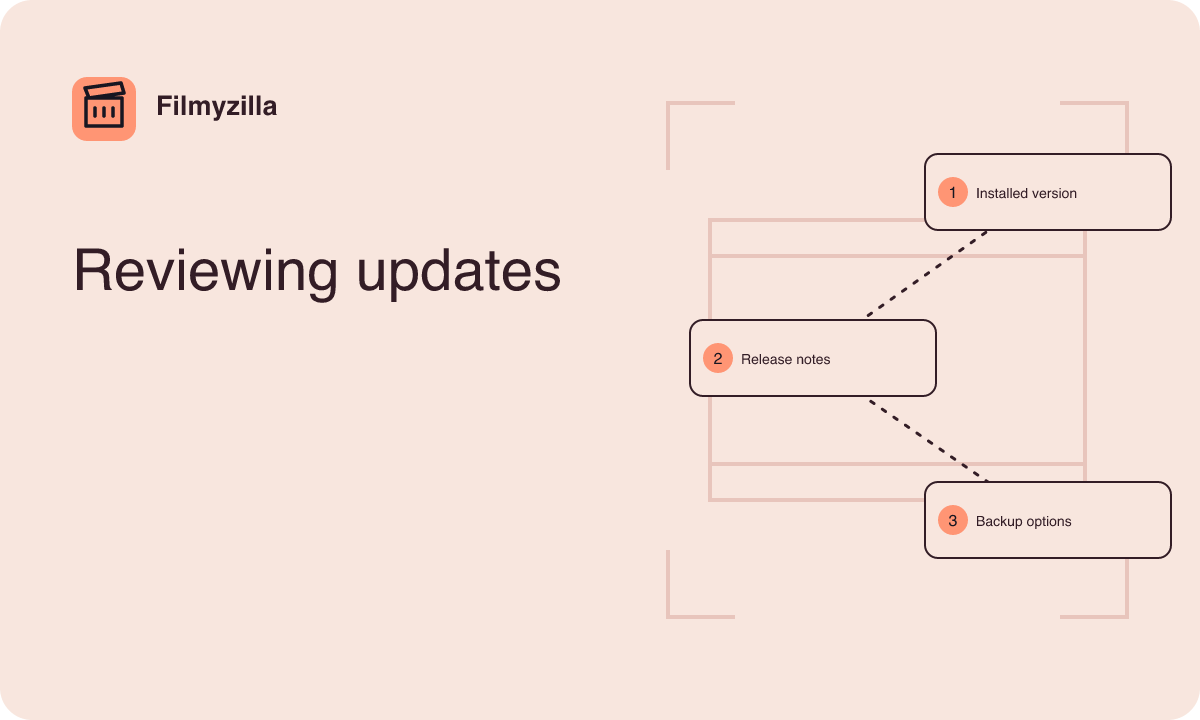
Record the installation you have
Find the app info screen in your device settings. If a version identifier is displayed, write it down as shown. Some apps also display a version in an About screen. Note where you saw each value, since an in-app build identifier can look different from a store's version label. Record the operating system and device model, too. Keep this information locally so you can refer to it if behaviour changes.
Check how you installed the app. If you remember using the store, return to the corresponding listing through the device. Check that you can connect the listing and publisher to a known source. If the app was already on a second-hand device or installed by someone else, treat the origin as unresolved until you have evidence. An update advertised for an unfamiliar installation can make it harder to work out where the current software came from.
Find the update through a route you trust
For a verified store installation, look at the store's update list and the app's own listing. A store may describe what is new and whether it supports the device. If a verified publisher uses another distribution method, read the publisher's documented update process and check whether that process covers your installation. Search results that copy an icon or claim to mirror a release do not establish that they carry the same software.
Separate the application update from any operating system update you see on the same day. A device might need a system update for a new app release, while an app might still be usable on the version you have. Check what the developer says about its requirements and what the device maker says about the system update. If there is a deadline, such as a planned group screening, make time to test your normal tasks after any change.
Read the release description in context
A note about playback can refer to a specific format, device or feature. If a description says it improves casting, check whether your service documents the receiver you have. If the issue is a black screen only when connecting a computer to an external display, a mobile playback note may say little about it. Read the surrounding information to see whether a fix is relevant before assuming it will solve your problem.
Similarly, a release that changes language selection may affect how a household finds dubbed audio. Plan to check those settings afterwards if they matter to you. For notes that are too general to interpret, record the behaviour you can reproduce and use the verified support route where available. A concise description like “the subtitle choice reverts on reopening the same film” may give you more to work with than the broad label “bug fixes”.
Understand why devices can show different options
Two phones on the same table can show different update controls. They may be in different stores, use different system releases, or have separate device eligibility. A developer may also describe a gradual release. Confirm any such rollout claim with the verified source before using it to explain a missing update. If the store shows one device is unsupported, compare that model against the published requirements where you can find them.
Check that the store has finished refreshing or completing its existing downloads before assuming the listing is frozen. If you rely on an app for offline travel viewing, check whether saved programmes have any restrictions that matter before installing an update. Leave enough time to open them afterwards. Do not use an update from an unrelated source simply because a friend sees a newer identifying number. Their device and distribution route may differ from yours.
Make a small before and after comparison
- Note the device, installed version and a feature you rely on, such as resume or English subtitles.
- Open that feature before the update and record what it does. If you already have a problem, write down which title or menu triggers it without taking screenshots that expose private details.
- Use the verified distribution route to install the update when you have time to finish and check it.
- Reopen the same feature under comparable conditions, then check the app info screen to see what version is actually installed.
This comparison helps if multiple things changed that day. A film disappearing may reflect availability in the service, while a setting moving to a new menu may reflect the app release. Verify the observation separately before drawing a connection. If you installed an update on a phone and the television still behaves the same way, check whether the television runs its own app or receives playback from the phone.
Decide what to do if an update causes trouble
Note whether the app opens, which screen is affected and whether other apps on the device work. Try a normal restart if it is convenient, then record any change. Before clearing storage or uninstalling, check whether the action would remove downloaded films or local preferences. A disappearing issue after restart is useful information. A persistent issue at the same point is also useful if you need to contact the verified provider.
When a release is hard to identify or its update route cannot be verified, avoid replacing it with a file advertised as an older, fixed or special edition. Check whether a verified service available on your device provides the same viewing option. For future maintenance, keep the evidence that helped you identify your installation and note when you checked it. That makes it easier to distinguish an actual update for your device from a new label appearing in a search result.
If multiple family members use the app, let them know when you make a change. Someone else may notice that a language preference or a resume point has moved, giving you a specific feature to check against your earlier notes.