
Independent editorial guidance on compatibility, device settings, safety, and responsible use.
Setting up an Android smart TV or TV box for films
Independent editorial guidance on compatibility, device settings, safety, and responsible use.
The search phrase “Filmyzilla para Smart TV e TV Box” may bring up results for several different kinds of hardware. A television can have a smart interface without running Android, and an Android TV box plugged into it has its own software and store. Work out which device will run the app before using any setup directions. You can then check whether a verified provider supports that model and whether the playback controls suit the people using the television.
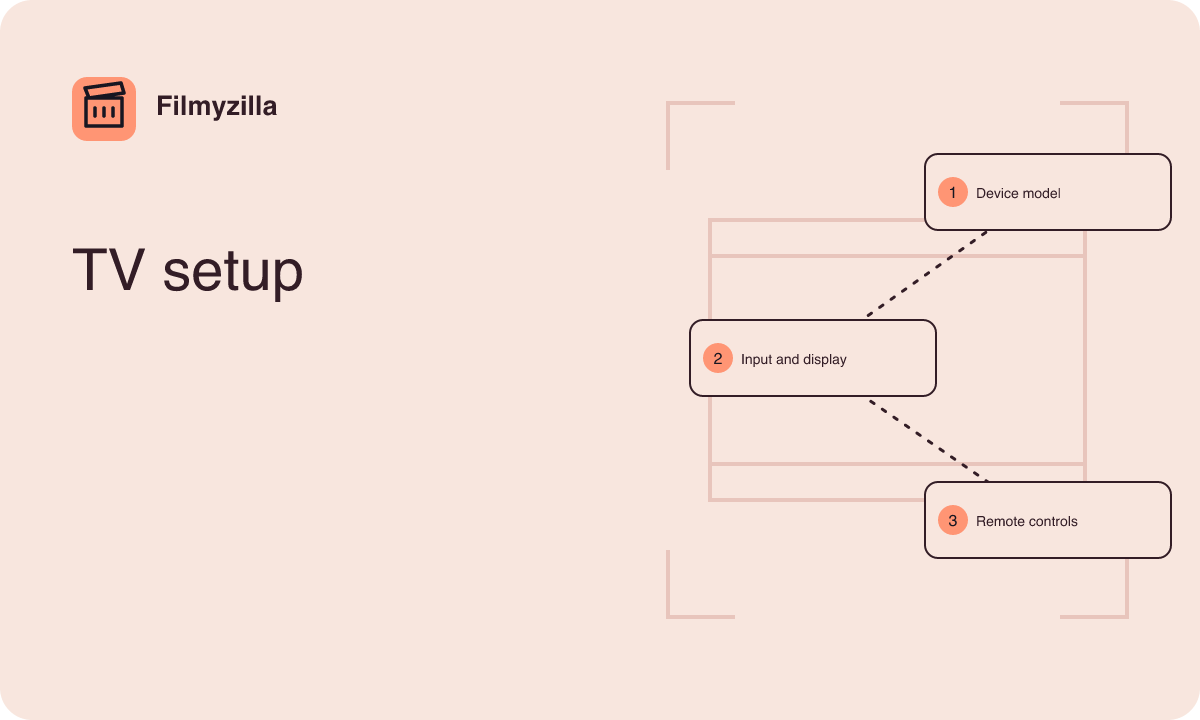
Find out which device is drawing the menu
Use the television's input button to see which source is selected. An HDMI input might show the menus of an external box while the television's own home button returns to a completely different interface. If you see a row of apps, identify which remote controls it. Some remotes operate both the television and a connected box, so the remote alone might be insufficient evidence. Open the Settings menu of the device displaying the apps and look for its model and software information.
Keep the model names separate when checking compatibility. For instance, a household might own a television with one operating system and use an Android TV box on its second HDMI port. App availability on that port depends on the box. Screen size, sound output and picture options can still depend on the television. A short note such as “external box on HDMI 2, TV speakers” can make a setup conversation much clearer.
Check for a television edition through the store
Open the store on the television or connected box and search for the app or authorised viewing provider. Compare any listing against the developer information available from an established source. Look for a television compatibility statement that reflects the actual model, its region or its software. An Android phone listing does not establish that a separate version works with the television launcher or remote.
A missing listing could reflect the selected device, store availability or lack of a TV edition. Check whether the provider describes another supported way to watch, such as a receiver app that it explicitly supports. If a listing cannot be tied to a verified publisher, stop at the check. An installer promoted for every TV is particularly hard to assess because TV platforms differ in input, display and software features. Keep the device's existing controls enabled while you investigate.
Test the remote before settling in
Install an established provider's app using the store on the device that will run it. Open the app from the normal home menu. With the arrow buttons, move to search, select a title, open the playback settings and return to the previous page. You should be able to see which control has focus from the sofa. If the display appears to trap you inside a menu, try the normal Back button once and see where it goes.
Pay attention to text entry. Some TV keyboards make it awkward to type a full film title. Try a distinctive part of the title or use a provider's documented search option if one is available. Test pause and resume after leaving the player, since family viewing is often interrupted. If someone uses an accessibility feature such as spoken menus, check its behaviour on the app's own screens as well as the system home screen.
Set picture and sound for the room
Start with an ordinary authorised video and observe how it fits the screen. Older titles may naturally have bars. A setting that zooms to fill the screen can cut off credits or captions. If text disappears at the edges even on the home screen, check the display sizing options of both the box and the television. Work with one setting at a time so you can restore it if the picture gets worse.
For sound, first identify whether the television speakers, a soundbar or another receiver is active. Play a dialogue scene and adjust the actual output in use. If only one app loses dialogue while system sounds work, check that app's selected track. If audio drops across several inputs, inspect the television's audio output selection. Subtitle size also matters on a large display viewed from a distance. Try the style controls on the platform or inside the app and review them during a real scene.
Diagnose connection trouble in the right place
A TV can be connected to Wi-Fi while an attached box is offline. Check the network screen on whichever device runs the player. Compare a second authorised video on that same device. If both struggle, test at a quieter time or move an accessible router or box away from obstructions where practical. If the box supports a wired connection and there is a suitable cable route, compare playback over it.
Power behaviour may offer another clue. A box that returns to its home menu whenever the television switches inputs may have been restarted or put to sleep. Note whether a problem starts immediately, after the television has been idle, or only when another household member begins streaming. These observations are more useful to device support than a generic statement that the television keeps failing. Change a single setting before each comparison and record which device you changed.
Prepare a setup others can use
For a shared set, place the verified viewing app where people can find it on the launcher, if the device supports rearranging icons. Explain which input and remote to use. Check the provider's available viewing and purchase controls for a household with children or guests. A device can have a general restriction setting while a provider has its own profile features, so test the intended behaviour from the profile people will actually open.
As a final check, start with the television off, then turn it on as a family member normally would. Navigate to the correct source, choose a title, adjust subtitles and return to the original input. This catches practical issues such as a remote controlling the wrong volume or a menu reopening on a different device. If you need help, the model, input and point where navigation stops will give verified support a much clearer picture of your living room setup.
Give each regular viewer a chance to try the setup once. A person who normally watches regional programmes may notice a language menu or search difficulty that never comes up when you test with your own titles.