
Independent editorial guidance on compatibility, device settings, safety, and responsible use.
Casting a film to Chromecast or a smart TV
Independent editorial guidance on compatibility, device settings, safety, and responsible use.
The phrase “Como Transmitir o Filmyzilla no Chromecast e Smart TV sem Atraso” promises more than a search result can establish. Whether casting is available depends on the sending app, receiver and local network. Even supported equipment can have interruptions or sound delay. Start by checking the viewing provider's documented playback options and the receiver you actually have. Then test discovery, picture and sound separately so you can identify what needs attention.
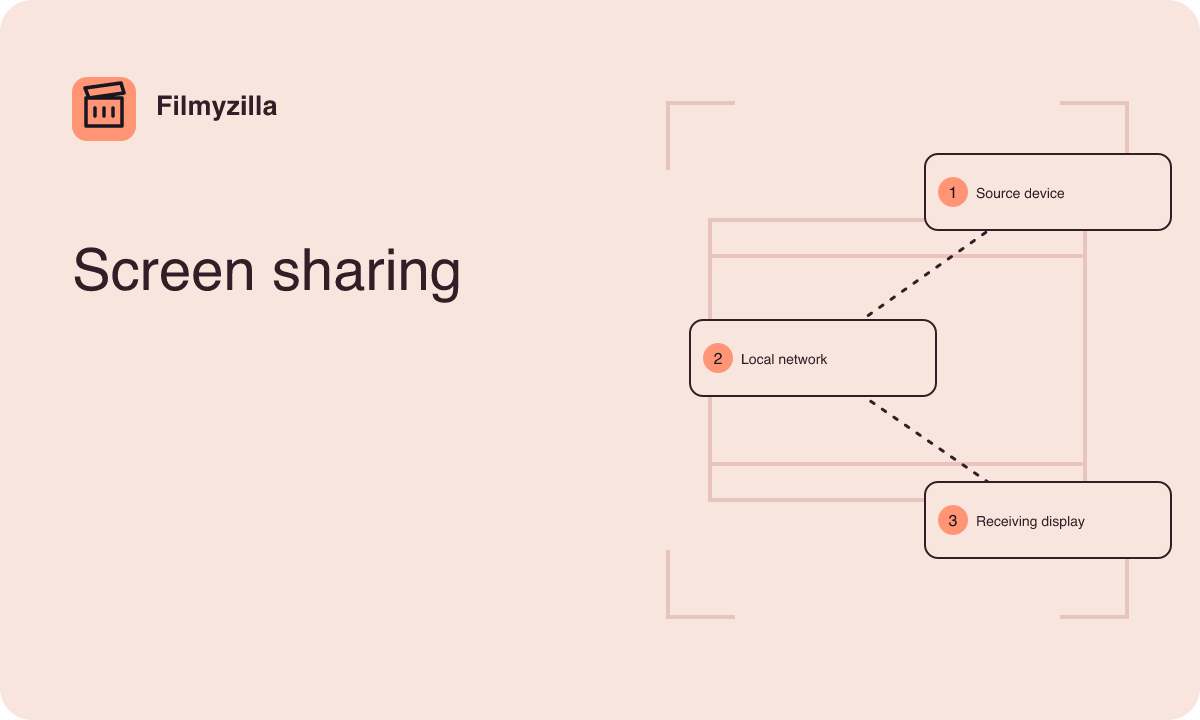
Identify the receiver on the screen
Check whether your television has a documented receiver feature or is showing a separate device connected by HDMI. If it is a separate device, note its model and the selected input. A television with a screen sharing menu may use a different method from an app with a Cast button. An indicator saying that wireless sharing is available tells you little about whether a particular film player supports that method.
Read the established guidance from the viewing provider and display maker. See if they name your receiver or describe a compatible type and whether the sender can be your phone or computer. Check the information for the region where you watch if the provider offers different playback features. Confirm the relationship using those sources instead of an icon pasted into a setup guide. If documentation is missing, treat support as uncertain and look for an authorised player with documented compatibility.
Understand sending a stream and mirroring a screen
When a provider offers a native Cast control, the phone can act as a controller while the receiver handles the viewing session. Exactly which controls remain available depends on the provider and device. Mirroring copies what the sender displays. It can expose other things that appear on that screen, including notifications. Protected video may also be unavailable through a mirroring method that the provider does not support.
If the app offers native casting, check whether you can pause and choose subtitles after connecting. For example, a phone might show subtitles correctly in its own player while sending a different preference to the TV. Open the subtitle menu for the active casting session to check. If the original player does not document casting, check for a verified app on the receiving television or connected device. Use that directly if it offers the title and features you need.
Find the right screen on a shared network
Connect the sender and receiver according to the device maker's guidance. For many home setups, both need to be able to discover each other on the same local network. Compare the network shown in the receiver's settings with the one selected on your phone. In a guest network, devices may be unable to see each other even when they have internet access. Do not change network controls in a hotel, office or other space you do not administer.
If your phone lists several displays, confirm the room name before tapping. In a family home with identical televisions, rename the receiver through its documented settings if you control it and need clearer labels. Check whether the phone asks for permission associated with discovering nearby devices and review why it is needed. On a shared network, avoid choosing a device based on its position in the list, since that order can change.
Run a short playback comparison
- Play an authorised sample directly on the sending device and confirm picture, sound and captions. Use a scene you can easily find again.
- Choose the intended receiver through the supported feature. Confirm that the TV shows the selected title and that pause works from the controls you expect to use.
- Compare a dialogue scene with the direct playback. Observe whether sound and lips remain in step or whether a gap grows over time.
- End the session with the provider's normal disconnect option and check that the receiver returns to the expected screen.
If direct playback stalls as well, investigate the network or service before adjusting the receiver. If only the connected display has a problem, note whether it starts on connection or after several minutes. A screenshot of an error may help later, but record its plain wording first so you can leave private details out of the report.
Investigate delay in picture or sound
Check whether the television is sending audio through internal speakers, a soundbar or Bluetooth headphones. Compare the same short sequence through an available standard output. If the difference is only audible on one output, review that device's own audio guidance. The television may also apply picture processing that affects how quickly a frame appears. See the device maker's information about any setting you intend to change and restore it if the result is worse.
If the video stops and then catches up while the audio seems to jump, connection quality may be worth testing. Move the sender or receiver where appropriate, or compare another authorised video at the same location. If the provider offers quality settings for the current session, try one change and observe the same scene again. Keep track of what you changed. Delay can have several causes and changing network, picture and audio settings together makes the differences hard to interpret.
End the session with privacy in mind
Before screen sharing, close private apps and consider using your device's normal notification controls to keep messages out of view. Check that permission requests relate to your intended method. During a group screening, tell other people which phone is controlling playback so they can ask before changing titles. If you hand the phone over, show them where to pause without browsing messages or other apps.
When you finish, disconnect and check the television. Closing the sender's screen may have a different effect from stopping the receiver. If the player remains active, use the documented stop control and return to the television's ordinary input or home menu. For future troubleshooting, keep a private note of the sender, receiver, provider and audio output that worked. A quick comparison after an equipment change will tell you more than a general claim that a particular casting method is always fast.
If the session will be part of a class or screening, arrange one rehearsal with the room to yourself. Check what appears during connection and disconnection as well as during the film. People in the audience will see those screens too.