
Independent editorial guidance on compatibility, device settings, safety, and responsible use.
Checking app support on an Amazon Fire TV Stick
Independent editorial guidance on compatibility, device settings, safety, and responsible use.
A search for “Como Instalar o Filmyzilla no Amazon Fire TV Stick Passo a Passo” can lead to instructions written for a different streaming device or for Android phones. Use the store and software information on your own Fire TV Stick to find out what the device supports. When an app's relationship to the platform is unclear, verify the relationship before installing. The steps below also help you prepare an authorised viewing app so it works well with your remote, television and connection.
Identify your Fire TV and its display
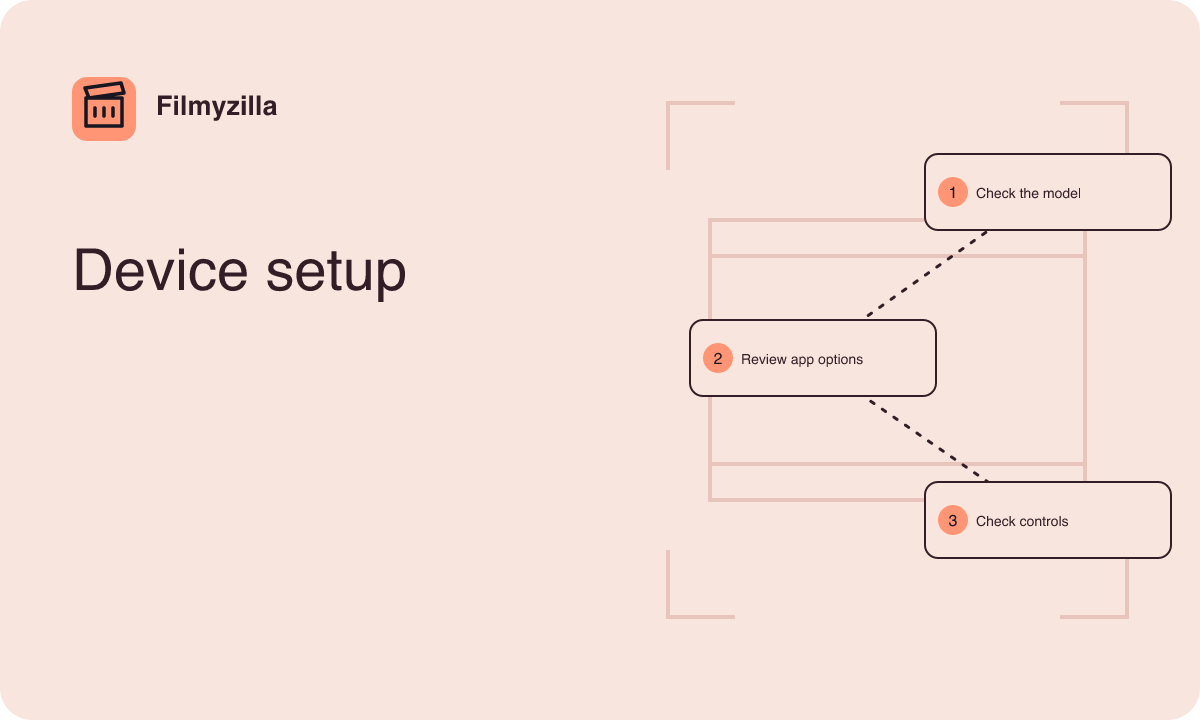
With the TV on, choose the HDMI input where the stick is connected. Open the Fire TV settings and look for device and software information. Menu names can vary with the device or interface. Write down the model and the software version that the stick shows. Keep those details apart from the television model, which may be relevant to sound and picture but does not determine app availability on the stick.
Check that you have an ordinary, stable setup before adding an app. Move about on the home screen and try bringing it back after the TV has been turned off briefly. If the stick restarts or the screen loses the HDMI signal, work out when that happens before assuming a viewing app is to blame. Follow the device maker's guidance for the stick's power and physical connections if you notice trouble there.
Check the store that serves the device
Search for the app or authorised provider through the app store accessible on your Fire TV. If you find a listing, check the developer and whether you can corroborate it using the provider's established platform information. A guide claiming broad compatibility does not establish that a developer offers a supported edition. Read any eligibility message for the particular model or region.
If the app is absent, look for the provider's supported alternatives. A verified service may describe viewing on another device you own, or the title may be available from a different authorised provider on Fire TV. A short code or a shared file is insufficient evidence that it comes from a developer who supports Fire TV. Leave the stick's security settings as they are when you cannot verify the source. Check documentation for the device you own if a guide describes menus that look unfamiliar.
Install a verified listing and test the remote
Use the install control in the device's store once you have confirmed the listing. Open it through the normal home screen and test the navigation using the stick's remote. Check whether you can move left and right through rows, focus an item, go back and reopen the app after returning home. Test the menus that matter to your household, including subtitles, audio and exit.
For example, if you want an app for older family members, start them from the normal television input and ask them to reach an authorised preview. Notice whether the remote is still controlling the television menu or has moved into the Fire TV interface. You may be able to make the app easier to find using the device's normal home screen arrangement. A quick walkthrough of the correct input and Home button can help people recover when they enter the wrong screen.
Tune playback to the room
Test with a video you can lawfully play on the service. See whether the remote adjusts the volume you actually hear. If the TV is using a soundbar, confirm that changing the stick's playback controls or the TV volume has the intended effect. If a specific video has sound in one language but is silent in another, record the selected track and compare with a second title before changing the system audio format.
Choose subtitles that are clear from the seating position. Text that looks adequate when you stand close to the display can be hard to read across the room. Check if the app provides its own caption preferences and compare those with the controls available within Fire TV. Try a scene with fast conversation and a scene with bright backgrounds. The test can help you decide whether to adjust subtitle size or contrast using supported settings.
Diagnose failures before changing the setup
- If a title buffers, compare it with another authorised video on the stick. Then check which network the stick uses and whether the problem affects another device nearby.
- If the screen is blank, bring up a television menu and confirm the selected input. Check whether the Fire TV home screen returns before investigating the player.
- If only one app fails, note its verified version if visible and the exact screen where it stops. Check the store for relevant information or a supported update.
- If storage is low, review which apps and offline items the device already holds. Check what would be removed before clearing any app data.
Leave time between changes to see what each did. If someone else is using the internet, a comparison at a different hour may help you understand why performance changes. Repeating the same test with the same title and settings helps keep the results meaningful.
Prepare the stick for everyday use
Review the viewing and purchase controls the platform and verified provider make available if children or guests use the TV. Check what happens when the app is opened from the ordinary home menu. A familiar provider icon or watchlist can help household members find a movie without typing a full title on the remote. Keep preferences simple enough that someone can restore them after changing input or opening a different app.
Write down the model, HDMI input and chosen viewing provider for your own reference. If you have a support question later, include which operation triggers it and whether menus or other authorised titles still work. That distinguishes a remote navigation issue from a title-specific playback issue. Finish by turning the television off and starting again normally. Confirm that the correct source returns, that you can open the supported app, and that sound and subtitles still work with the settings people will use.
If you take the stick to another room, repeat the input and audio checks there. A second television can remember a different volume or picture setting, and the network signal behind that screen may be weaker. Keep separate notes if both rooms are used regularly.