
Independent editorial guidance on compatibility, device settings, safety, and responsible use.
Terms of Service
Independent editorial guidance on compatibility, device settings, safety, and responsible use.
Local-review draft. The phrase “Termos de Uso e Condições Gerais” refers to the terms a visitor would read to understand their use of Filmyzilla. This draft describes topics that need to be settled before publication, including the scope of the site, its relationship to services mentioned in guides and the process for raising concerns. A final version needs to reflect what the operator actually provides and the local requirements that apply to it.
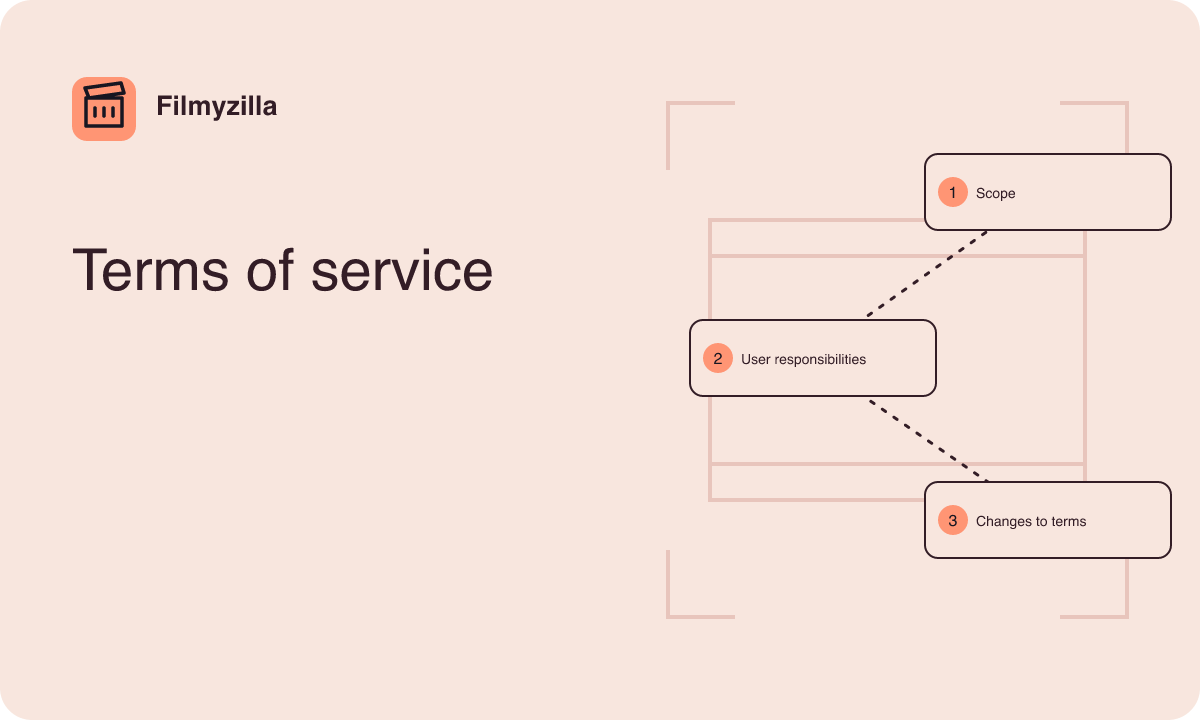
Define the scope of the site
The final terms should say who operates the site, which pages or functions the terms cover and when the text takes effect. The operator should confirm which features are available to visitors before describing what anyone may use. A guide about Android Settings answers a different kind of question from a provider's catalogue, a device store or a paid rental offer. Readers should be able to identify whose terms govern a feature they have chosen to use.
For example, if a person reads an article about subtitles, then opens a film on a service they already use, the playback controls and film availability come from that service. If part of the site later offers functionality beyond publishing articles, review the terms for that feature before describing it publicly. The scope should make sense to someone who enters directly through a search result and has never visited the homepage.
Describe what readers can expect from guides
Instructions about devices can depend on model, region and software. The terms should describe the informational purpose of the guides in a way readers can apply. An article may suggest checking an available setting or comparing a verified store listing. A reader whose menus differ can use their device maker's guidance to confirm the correct route. Claims about support or availability need a basis in verified information for the product and region in question.
If an article mentions a service or device by name, use wording that accurately describes any relationship. A reference can be useful to explain where someone might check a setting. A claim that the site represents a publisher or has an arrangement with a provider needs separate confirmation. This review should include search titles as well as article text because people often see the heading before any supporting explanation. If a heading implies a different service from the one offered, align it with the content.
Address outside services and viewing access
Readers may use a service mentioned in an article to check a film, app or device. The final terms should explain that the reader will find separate availability information and conditions on that provider's own service. A listing can reflect the plans and territories the provider supports. Before starting a purchase or rental, use the provider's own description to check the title, viewing period and requirements. The terms on this site should describe only the transactions or content the operator has verified it provides.
For example, someone may read a description of a television platform, then choose an authorised app from the platform's store. Compatibility on the device depends on the listing and the app maker's documentation. If a feature was described too broadly, a useful correction would identify the article, model and wording to revisit. Review how corrections can be raised and managed before promising any process. Readers benefit from knowing who can address the specific part of their experience.
Describe reasonable use and content concerns
The operator should identify any applicable rules for the functions the site provides. Reading public articles may call for different terms from posting comments or sending files. Review whether there are any such submission features before writing conditions for them. If the site supports visitor submissions, the terms should describe the expected conduct, how material is handled and what choices the operator actually has when a concern is raised. Any statement about content ownership or permission should reflect the relevant facts and review.
Suppose someone notices that a paragraph describes a menu that is unavailable on their model. A helpful report could quote the affected line, name the device model and explain which settings screen they reached. Avoid sending files or personal information when a simple description is enough. If the concern is about material that someone believes uses their work, the operator should identify an appropriate route for that question once it has been reviewed. Technical support and content concerns may require different information.
Review any provisions that affect a visitor's options
The reviewer should consider whether the service needs additional language on availability, correction of mistakes or user responsibilities. Where terms refer to restrictions, remedies or disputes, check that the wording corresponds to the actual service and the applicable local context. Leave legal positions open until reviewed. The same applies to statements about age, charges and ending access. Each should be supported by the way the service works and the decisions the operator is authorised to make.
A useful review reads the terms from the point of view of someone who just wants to understand what happens next. If the terms describe a way to ask for a correction, a reader should be able to identify the verified route and the information needed. If the operator plans to make changes to the terms, describe how a reader will see the applicable date or version once the process is confirmed. Avoid relying on broad wording to cover processes that have yet to be defined.
Complete the local review before publication
- Confirm the site's operator, scope and current visitor features. Compare the description in the terms with the actual pages and any services a reader can open from them.
- Check ownership and relationship statements against the information available to the operator. Verify that references to apps, providers and devices describe only substantiated relationships.
- Decide how the operator handles technical corrections, general questions and content concerns. Publish only the routes and procedures the relevant team can confirm.
- Review any proposed legal provisions with appropriate local guidance and check consistency with the privacy and copyright pages. Add the applicable date once the text has been approved for use.
If you are reading this draft while trying to resolve a problem, first locate the party that controls the relevant feature. A device maker can clarify a system menu, and a verified viewing provider can describe a title's availability in its service. A question about wording on an article should identify the article and the passage in question. Keeping the scope clear helps both the reader and the reviewer see what the finished terms need to cover. These terms remain a local-review draft pending that work.